Biomass Gasifier Case Study – Industrial Steam Cost Reduction for Textile Drying Process
1. Project Overview
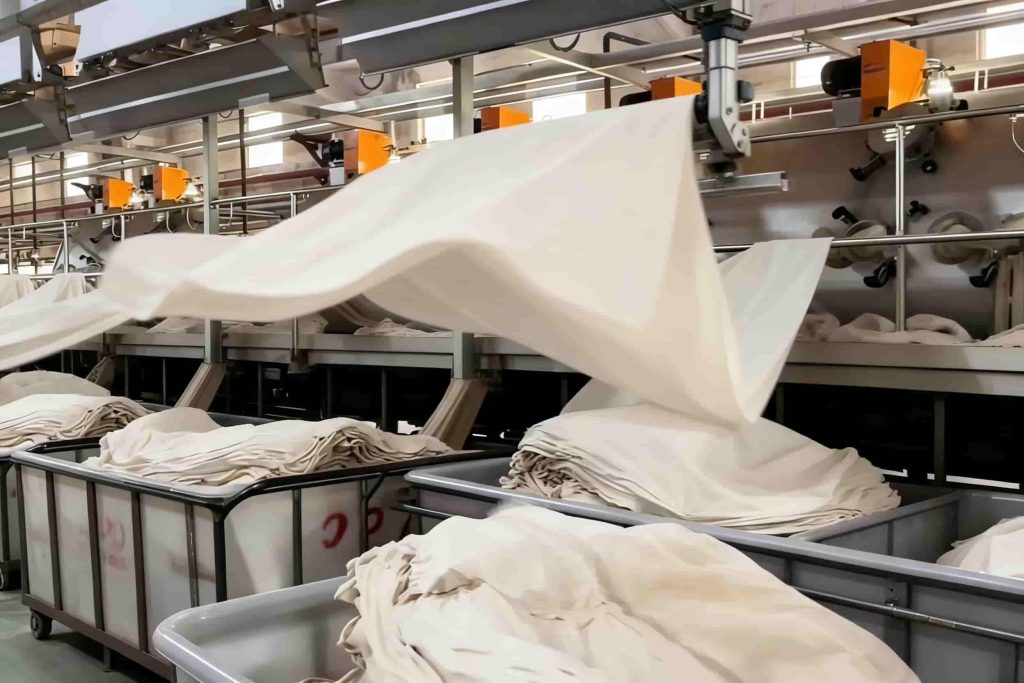
This industrial project demonstrates the application of biomass gasification technology in textile drying and heat-intensive production processes.
The system was designed to replace traditional coal-fired boilers with a cleaner and more cost-efficient biomass energy solution.
- Industry: Textile & Industrial Drying
- Original Fuel: Coal-fired boiler system
- New System: Biomass gasification system
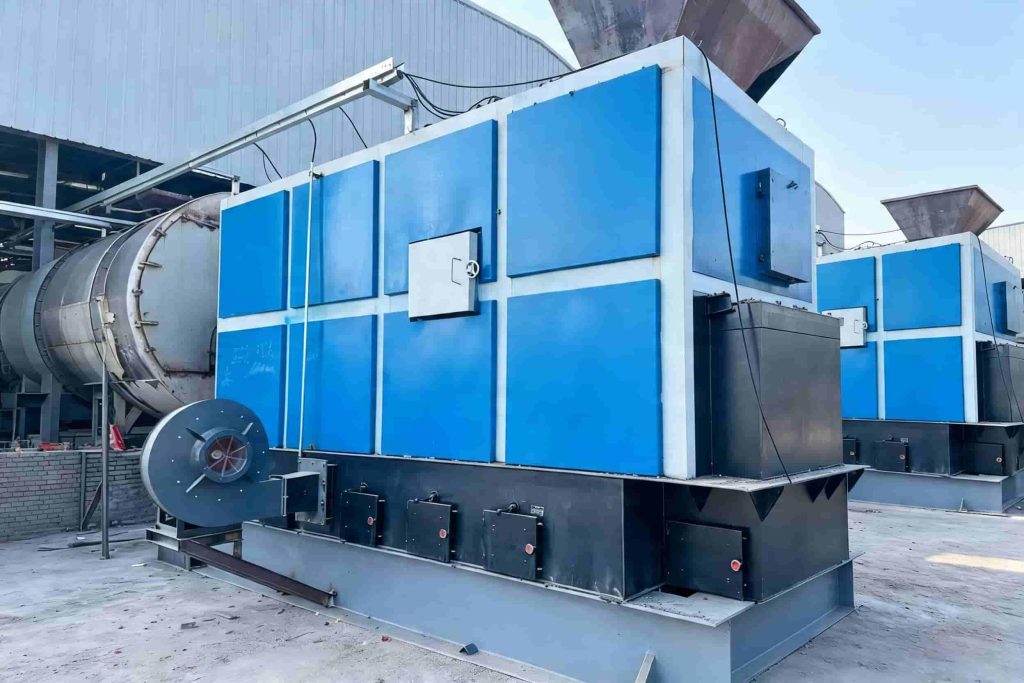
- Gasifier Capacity: 2 × 2000 Nm³/h
- Steam Output: 15 tons/hour
- Fuel Type: Wood chips, rice husk, cotton stalks, agricultural residues
- This system is based on a high-efficiency biomass gasifier system designed for stable industrial steam production.
2. Customer Pain Points
Before adopting biomass gasification, the industrial facility faced:
- High coal consumption and rising fuel costs
- Unstable steam supply during peak production
- Increasing environmental compliance pressure
- High CO₂ emissions from coal combustion
- Need for low-cost and flexible fuel alternative
The objective was to reduce energy cost while maintaining stable steam output for continuous textile production.
3. Technical Solution
A biomass gasification system was implemented to replace the coal-fired boiler system.
Engineering Features:
- Dual gasifier configuration for stable output
- Continuous syngas production system
- Multi-fuel capability (wood waste, rice husk, cotton stalks)
- Stable combustion control for drying processes
- Designed for industrial 24/7 operation
- Integrated heat utilization for steam generation
Performance Improvement:
- Coal → biomass gasification transition
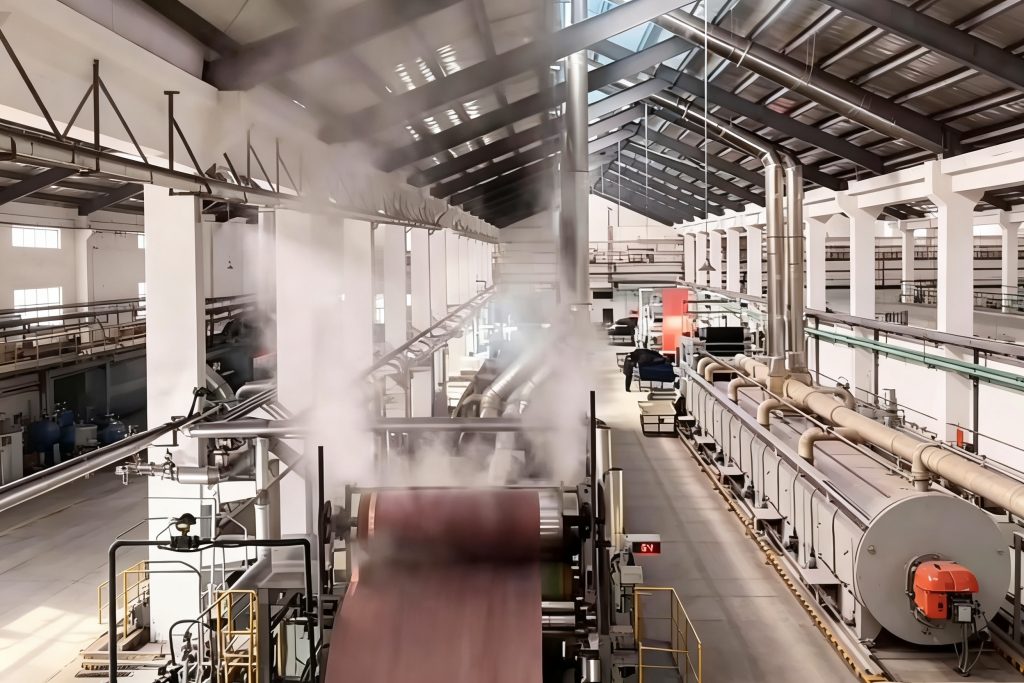
- Stable steam output for drying and finishing processes
- Fuel flexibility with local agricultural residues
- This project is part of our proven industrial biomass gasification solutions for energy-intensive manufacturing industries.
4. Project Results
After system implementation, the facility achieved significant operational improvements:
- Steam cost reduced from coal system by 35%
- Annual coal consumption reduced by approximately 20,000 tons
- CO₂ emissions reduced by approximately 36,000 tons/year
- Stable steam supply for textile drying and finishing processes
- Flexible use of low-cost agricultural biomass fuels
- This solution is widely applicable across industrial biomass applications such as textile, food processing, and paper manufacturing.
5. Engineering & E-E-A-T Highlights
This project demonstrates core expertise in:
- Biomass gasification combustion engineering
- Industrial steam system optimization
- Coal-to-biomass fuel conversion technology
- Multi-fuel flexible energy systems
- Textile industry heat process integration
- Industrial emissions reduction strategies
6. Why This Project Matters
This case shows that biomass gasification is a viable alternative to coal-based industrial steam systems.
It enables:
- Significant cost reduction
- Carbon emission reduction
- Fuel flexibility using local waste resources
- Stable industrial steam supply for manufacturing processes
Especially suitable for developing regions with abundant agricultural residues.
7. FAQ
Q1: Can biomass gasification replace coal boilers completely?
Yes, in many industrial steam applications it can fully replace coal systems.
Q2: What fuels can be used?
Wood chips, rice husk, cotton stalks, and agricultural residues.
Q3: Is steam output stable?
Yes, properly designed gasification systems provide stable 24/7 steam supply.
Q4: What is the cost saving range?
Typically 30%–40% compared to coal systems.
Q5: Is it suitable for textile factories?
Yes, it is widely used in drying, dyeing, and finishing processes.
8. CTA Section
🔥 Get Your Biomass Gasifier Solution Proposal
We help industrial clients evaluate biomass fuel availability, system design, and ROI analysis for steam cost reduction.
✔ Free feasibility study
✔ Fuel cost comparison
✔ System design proposal
✔ Remote engineering support
Alternative Contact Method
If you prefer WeChat communication, you can also contact our engineering team via QR code below.
WeChat is available for project discussion, technical consultation, and system design support..