🏭 Food Industry Biomass Energy Retrofit Case
6T/H Natural Gas Boiler → Semi-Gasification Biomass System (Food Processing Steam Cost Reduction Project)
This is a real industrial retrofit project in a food processing factory.”
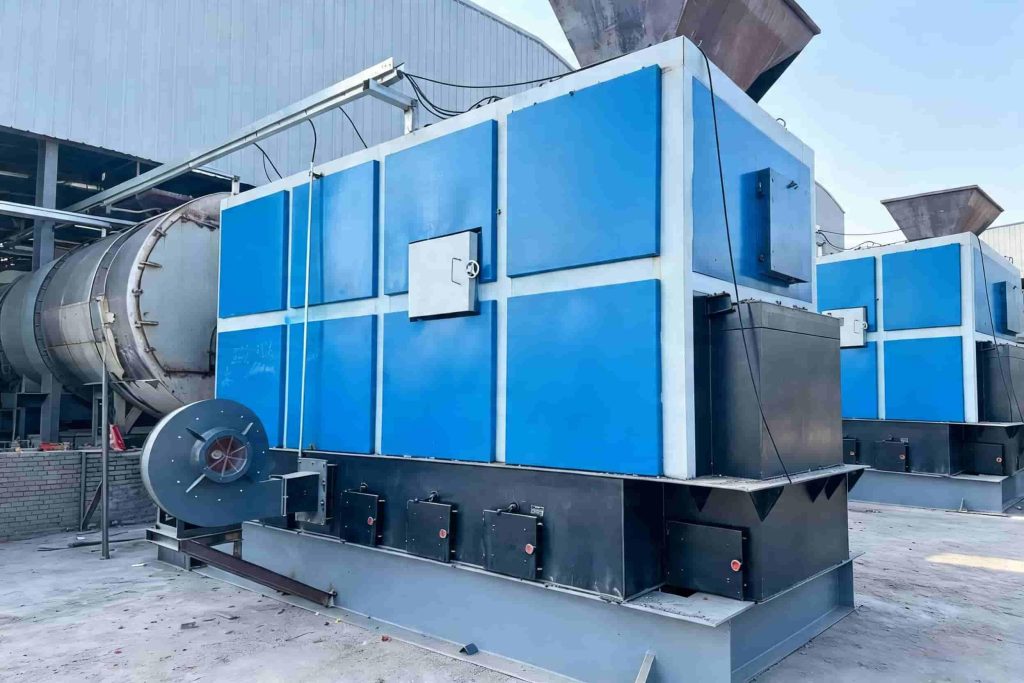
🧠 Executive Summary
A food processing factory originally relying on a 6T/H natural gas steam boiler (1.25MPa) was facing continuous increases in fuel cost, which directly reduced production margin in sterilization, cooking, and thermal processing operations.
Steam cost volatility became a core operational risk rather than a simple utility expense.
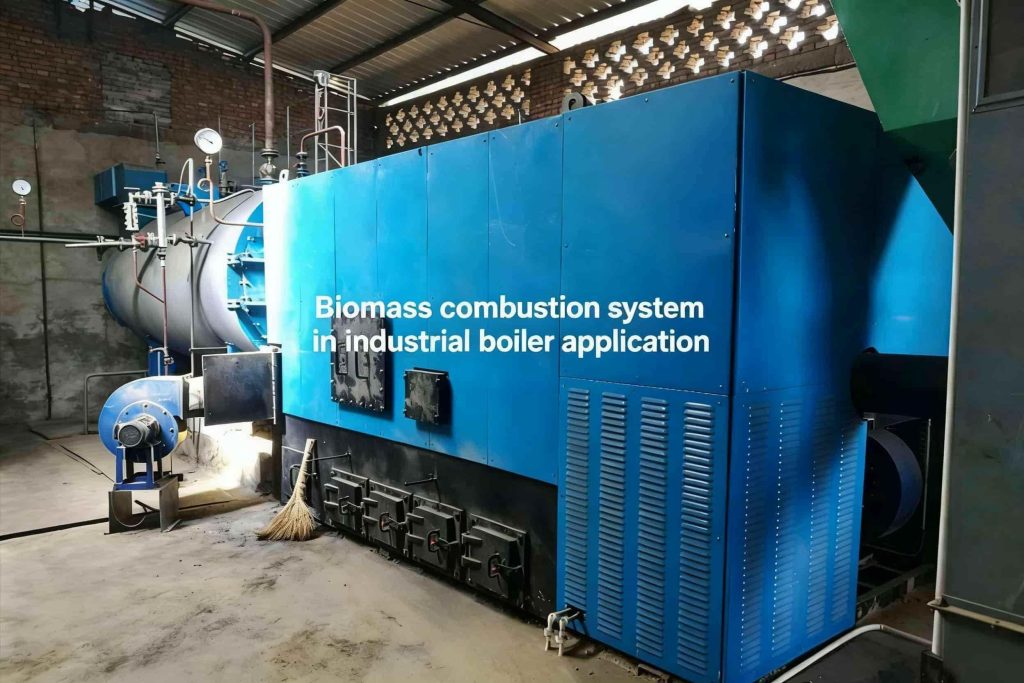
To solve this, the factory implemented a semi-gasification biomass retrofit system, converting the existing gas-fired boiler into a biomass-based steam system without replacing core equipment or stopping production.
industrial biomass energy solutions
⚠️ Key Business Pressure Before Retrofit
Before the project, the factory faced increasing operational pressure:
Continuous rise in natural gas prices
Steam cost directly impacting product margin
High dependency on external fossil fuel supply
Need for 24/7 stable steam for sterilization and cooking
No allowance for production shutdown during upgrade
Strict food-grade emission and hygiene requirements
👉 The core problem was not technical — it was cost survival pressure.
Performance improvement after biomass retrofit stabilization phase.
🔥 Why the Client Decided to Retrofit
The decision was driven by one key factor:
Continuing to operate on natural gas would lead to irreversible margin compression.
A full boiler replacement was rejected due to:
High capital investment
Long shutdown period
Production risk
👉 Therefore, retrofit became the only viable ROI-driven solution.
⚙️ Implemented Technical Solution
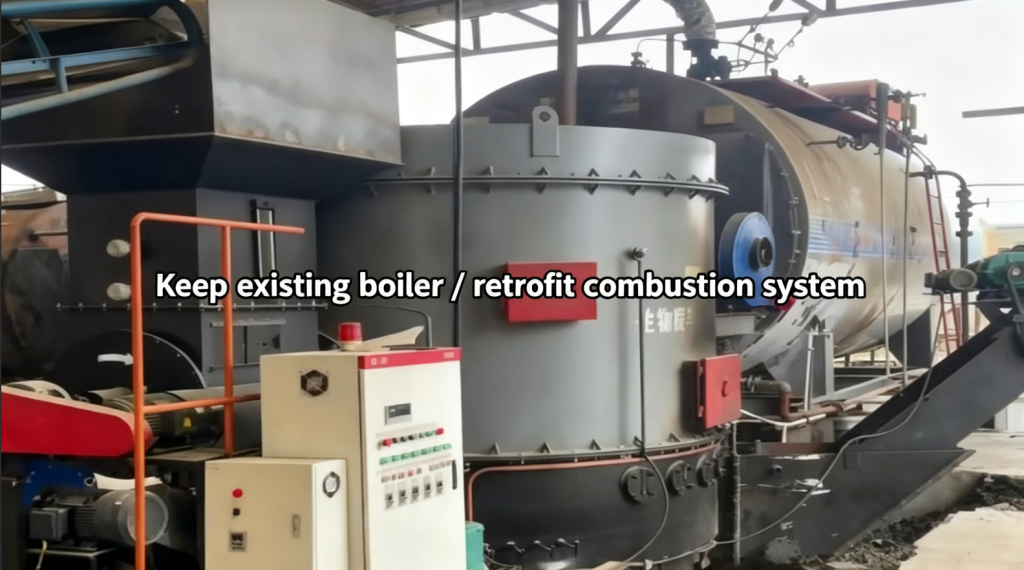
The selected solution was a 6T/H semi-gasification biomass combustion system (rotary grate design) integrated directly into the existing boiler system.
System Configuration:
6T/H semi-gasification biomass burner system
Retrofit applied to existing 6T/H steam boiler (1.25MPa)
Full reuse of original steam-water and pressure system
No boiler replacement required
Fuel Strategy:
Wood chips / mixed hardwood residues
Moisture content ≤ 25%
Local biomass sourcing: 260–320 RMB/ton
Implementation Conditions:
Installation time: 5 days
Fully non-stop production retrofit
No shutdown during installation or commissioning
Fuel handling and combustion system configuration for biomass retrofit.
biomass combustion systems
📊 Before vs After Performance Comparison
Item Before (Natural Gas) After (Biomass Retrofit)
Steam Cost 310 RMB/ton 140 RMB/ton
Cost Reduction — ↓ 55%
Thermal Efficiency 89% 91.5%
Steam Output Stability Medium High & stable at 6T/H
Fuel Flexibility None High (biomass-based)
💰 Financial Impact
Monthly fuel cost saving: ≈ 180,000 RMB
Annual savings equivalent: > 2.1 million RMB
Payback period: ~4 months
👉 After retrofit, steam cost shifted from a risk factor to a controllable operating advantage.
🧠 Engineering Highlights (Why This System Works)
Semi-gasification combustion ensures stable flame temperature
Rotary grate design improves fuel combustion completeness
Stable steam output suitable for food sterilization process
No modification to existing pressure vessel system
Ultra-low emission performance:
Dust < 8 mg/m³
NOx < 120 mg/m³
Designed for continuous 24/7 industrial food production
Stable operation under fluctuating biomass fuel quality
PLC-based control system ensures stable steam output under variable fuel conditions

🌍 Why This Case Is Important for Food Industry
For food factories, steam is not energy — it is production stability infrastructure.
This case proves that biomass retrofit can:
Directly replace natural gas boilers
Maintain food-grade steam quality and stability
Reduce steam cost by 40–60%
Be implemented without stopping production
Deliver fast ROI (< 6 months in most cases)
👉 This makes it especially suitable for factories under energy cost pressure but cannot afford downtime.
⚖️ Why Retrofit Instead of Full Replacement?
Most factories hesitate between:
Option A: Full boiler replacement
High CAPEX
Long shutdown period
High project risk
Option B: Biomass retrofit (this project)
Low investment
3–7 day installation
No production interruption
Fast payback
👉 In this case, retrofit clearly provided the highest ROI efficiency.
❓ High-Intent FAQ Section
Can biomass retrofit fully replace natural gas boilers?
Yes, in most food steam applications, retrofit systems can directly replace gas burners while maintaining existing boiler systems.
Will production need to stop during installation?
No. This project was completed within 5 days without interrupting production.
Is steam quality stable enough for food sterilization?
Yes. The system maintains stable pressure and output suitable for food-grade applications.
How much cost reduction is realistic?
Typically 40–60% depending on fuel price and operating conditions.
What is the ROI period?
Most retrofit projects achieve payback within 4–8 months.
👉 Check If Your Factory Can Cut Steam Cost by 40–60%
View more industrial retrofit cases here