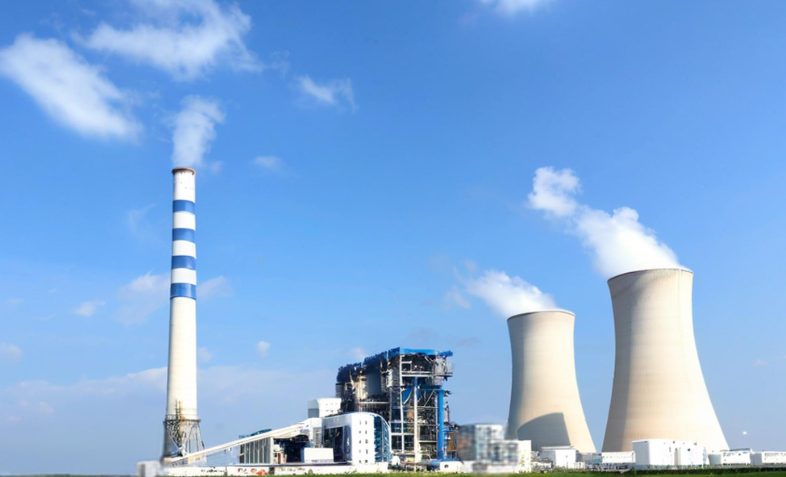
In Selangor, Malaysia, a palm oil processing factory once faced a dual headache: tons of palm kernel shell (PKC) waste piled up monthly, requiring extra fees for disposal, while it spent over $15,000 monthly on imported coal for boilers. Now, this dilemma is solved—thanks to a targeted biomass transformation by our team.
Previously, the factory’s conventional boilers couldn’t handle PKC: its irregular shape caused feed blockages, and high potassium content in ash led to frequent slagging. PKC, a byproduct of palm oil production, was abundant locally (costing only 40/ton, vs. 170/ton for imported coal) but remained unused.
Our team tailored the solution: first, we upgraded the boiler’s feeding system with a special crusher and screw conveyor to adapt to PKC’s texture. Then, we modified the combustion chamber and added a high-temperature ash removal device to address slagging. After a 3-week 改造,
the boiler ran smoothly on PKC.
The results speak for themselves: the factory now uses 80 tons of PKC daily, cutting monthly fuel costs to 6,000. Annual savings exceed 108,000—plus, it eliminated $2,000/month in waste disposal fees. The factory manager noted, “We used to see PKC as trash; now it’s our most cost-effective fuel.”
This case proves that Malaysia’s abundant palm waste isn’t a burden but a hidden treasure—with the right transformation, it becomes a key to slashing energy costs for local factories.