🔹 1. Introduction
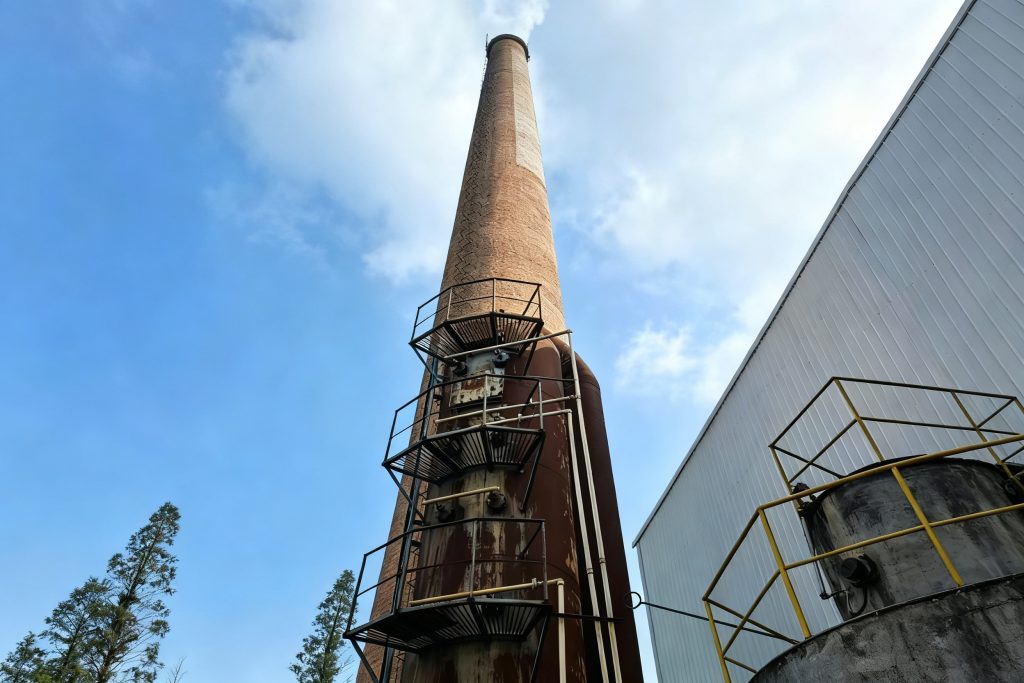
Glass furnaces require stable, continuous, and high-temperature industrial heating, which is essential for maintaining product quality and production efficiency.
Traditionally, many glass manufacturers rely on natural gas or heavy oil as primary fuel sources. However, in recent years, rising fuel prices and unstable energy supply have significantly increased operating costs and reduced profit margins.
As a result, more factories are actively searching for alternative industrial heating solutions that are more cost-effective and stable.
One of the most practical and widely adopted options is biomass gasification technology for glass furnace heating systems.
🔹 2. What Is Biomass Gasification?
Biomass gasification is a thermochemical process that converts solid biomass fuel into clean combustible gas under controlled oxygen conditions.
Common fuels include:
wood chips
rice husk
biomass pellets
coconut shell
agricultural residues
The produced gas usually contains:
Carbon monoxide (CO)
Hydrogen (H₂)
Methane (CH₄)
These gases can be burned to generate stable heat for furnaces.
👉 Learn more about Biomass Gasification systems for industrial heating.
🔹 3. How the System Works for Glass Furnaces
The process generally includes four steps:
Step 1: Fuel Feeding
Biomass fuel is automatically fed into the gasifier reactor.
Step 2: Gasification Reaction
Inside the reactor, fuel reacts under limited oxygen and high temperature to generate syngas.
Step 3: Gas Cleaning
Dust and tar are removed through filtration systems.
Step 4: Furnace Combustion
Clean gas is sent to the burner system and used for glass furnace heating.
This provides continuous and controllable thermal energy.
🔹 4. Can Biomass Reach Glass Furnace Temperatures?
Yes.
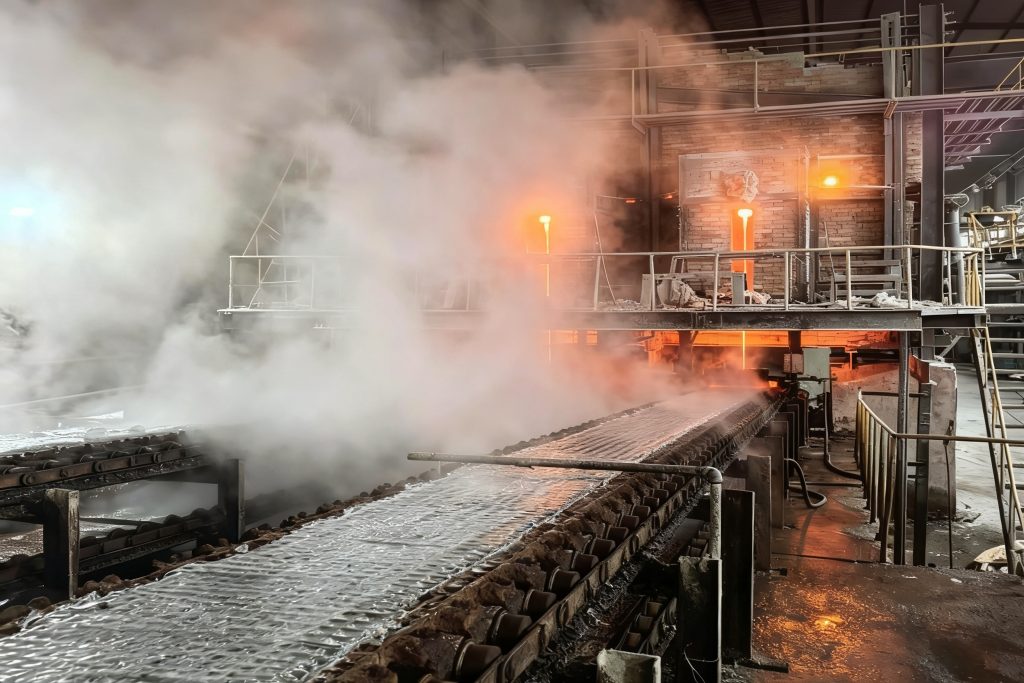
Well-designed biomass gasification systems can support high-temperature industrial processes.
For many glass applications such as:
glass beads
glass melting support systems
kiln heating
drying lines
auxiliary heating systems
stable heating performance can be achieved.
👉 Explore Industrial Heating solutions for continuous high-temperature manufacturing processes.
🔹 5. Why Factories Are Switching
Compared with natural gas, biomass often offers:
Lower fuel cost
Better local fuel availability
More stable long-term budgeting
Reduced fossil fuel dependence
Improved profit margins
👉 Compare Natural Gas vs Biomass for Glass Industry and see potential fuel cost savings.
🔹 6. Can Existing Equipment Be Modified?
In many cases, yes.
Existing furnace systems may be upgraded instead of fully replaced.
Burners, control systems, and fuel supply systems can often be adapted to biomass gas heating.
👉 Discover Boiler Retrofit solutions for existing factories.
🔹 7. Real Application Example
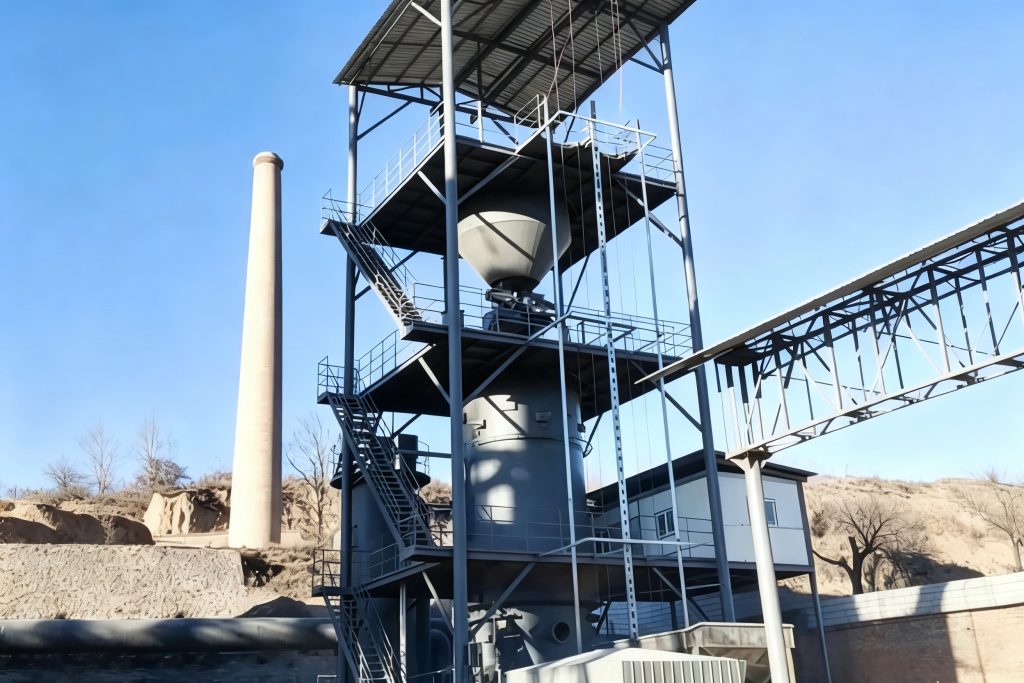
A glass factory using biomass gasification achieved:
Stable furnace operation
Lower heating cost
Reduced dependence on natural gas
Continuous production performance
👉 Read our Glass Industry biomass case study.
🔹 8. Conclusion
Biomass gasification is no longer an experimental concept.
It is a practical industrial heating solution already used in many factories.
For glass manufacturers seeking lower fuel costs and stable production, biomass gasification is a technology worth evaluating now.
🔹 Frequently Asked Questions
- Can biomass gasification replace natural gas in glass furnaces?
In many suitable applications, yes. System design depends on furnace temperature demand and production process.
- Can biomass gasification provide stable high temperature?
Yes. Properly designed systems can deliver continuous and stable heat for many industrial furnace applications.
- What biomass fuels can be used?
Common fuels include wood chips, biomass pellets, rice husk, coconut shell, and agricultural residues.
- Does a factory need to replace the whole furnace?
Not always. Many factories can upgrade burners or fuel systems through retrofit solutions.
- Is biomass cheaper than natural gas?
In many markets, biomass can significantly reduce fuel costs depending on local fuel supply and operating efficiency.
Looking for a customized biomass solution for your glass factory?
👉 WhatsApp: https://wa.me/8613630031399
👉 Email: postmaster@yitongnf.cn
This technology converts low-cost biomass fuels—such as wood chips, rice husk, and biomass pellets—into combustible syngas, which can be directly used for industrial furnace combustion and continuous heat supply.