For Southeast Asian factory owners, biomass energy can cut fuel costs by 30%+, but many transformation attempts fail—due to ignoring local biomass traits, not poor equipment. Here are 4 critical traits to avoid pitfalls:
- Fuel Diversity: No “One-Size-Fits-All”
Southeast Asia’s biomass varies by region:
•Thailand/Vietnam: Rice husks, wood chips, sugarcane bagasse
•Indonesia/Malaysia: Palm kernel shells (PKC), empty fruit bunches (EFB), coconut shells
•Philippines: Coconut shells, rice husks, bagasse
•Myanmar/Laos/Cambodia: Wood chips, agricultural residues
Pain Point: A “universal gasifier” (e.g., for wood chips used for EFB) causes blockages and shutdowns.
2. High Ash + Special Chemistry: Slagging & Corrosion Risks
Local fuels have problematic ash:
- Rice husks: 15%-20% ash (silica-rich, low melting point = slagging)
- PKC: 5%-8% ash (high potassium/chlorine = furnace/pipe corrosion)
- Bagasse: High potassium/chlorine + sticky residues
Pain Point: Ignoring this leads to frequent cleaning or costly overhauls in 1-2 years.
- High Moisture: Energy Waste
Tropical humidity boosts fuel moisture:
•Fresh wood chips: 40%-60% moisture
•Undried rice husks/bagasse: 15%-30% moisture
Pain Point: Moisture wastes heat (e.g., 50% moisture wood chips = 60% of designed efficiency).
4. Irregular Shapes: Feeding Headaches
Fuels come in varied forms:
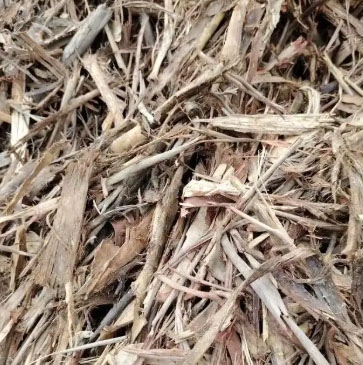
- Blocks/sheets (wood chips, coconut shells)
- Fibers (EFB, bagasse = tangling)
- Granules/powders (rice husks = dust/blockages)
Pain Point: Mismatched feed systems cause leaks, dust, or shutdowns.
Conclusion: Adapt to Local Conditions
Failures happen when:
- Copying others’ solutions (e.g., PKC equipment for rice husks)
- Ignoring moisture/ash
- Prioritizing cheap equipment over adaptation
Success needs: First analyze local fuel traits, then design/modify equipment.
Your Solution
We offer Southeast Asia-focused biomass services:
1.Free fuel testing (moisture, ash, calorific value)
2.Customized modifications (drying systems, feed upgrades)
3.Low-cost implementation (10-15 month payback)
Struggling with high fuel costs or failed transformations? Contact us—local solutions solve local problems.